rugs

Why Natural Fiber Rugs Resist Allergens: The Science Behind Hand-Woven Textiles

The Hidden Allergy Problem Hiding in Your Home

Most people think of allergens as something that drifts in from outside. In reality, the inside of your home can be just as problematic, and often more so. Dust mites, pet dander, mold spores, and volatile organic compounds (VOCs) accumulate in soft furnishings, particularly rugs. For households with children, pets, or anyone prone to respiratory sensitivity, choosing the right rug is not just an aesthetic decision. It is a healthy one.

This is where natural fiber rugs allergy resistant properties become genuinely important. Unlike synthetic alternatives, rugs made from wool, cotton, jute, and other natural fibers interact with their environment in ways that actively reduce allergen build-up. The science behind this is well-established and worth understanding before you make your next purchase.

What Are Natural Fiber Rugs?

Natural fiber rugs are woven from materials that come directly from plants or animals, without chemical synthesis. The most common types used in home furnishing are:

• Wool: Sourced from sheep, wool is one of the oldest and most versatile rug materials in the world. It is naturally resilient, moisture-responsive, and has unique microscopic properties that make it inhospitable to dust mites.

• Cotton: Soft, breathable, and easy to clean, cotton rugs are a popular choice for households with young children. Their tight weave limits the space where allergens can accumulate.

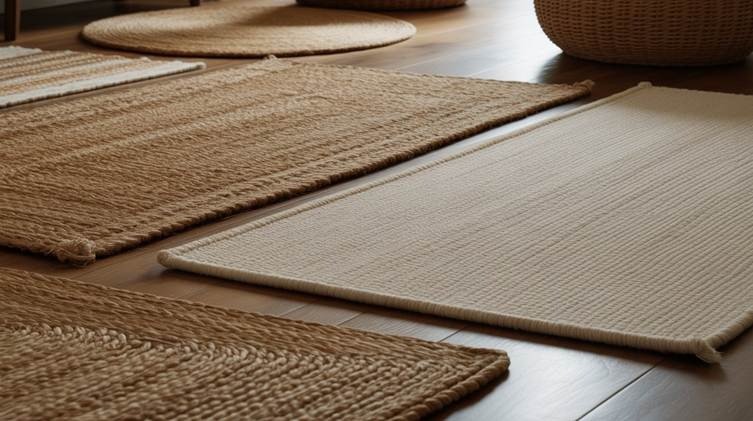
• Jute: A plant-based fiber that is biodegradable and strong, jute rugs add an earthy texture to a room while contributing to cleaner indoor air quality.

• Sisal and Coir: Both derived from plant sources, these fibers are extremely dense and create a surface that is difficult for dust and particles to embed into.

The handmade rugs benefits go beyond surface appearance. Artisanal weaving techniques create tighter, more consistent structures that outperform many machine-made alternatives in allergen control.

The Science Behind Allergen Resistance in Natural Fiber Rugs

Understanding why natural fiber rugs are allergen resistant requires a brief look at three key mechanisms: breathability, moisture control, and static charge.

Breathability and Air Circulation

Natural fibers have an open, porous structure at the microscopic level. This allows air to circulate through the rug rather than getting trapped within it. Wool fibres, for instance, are made of overlapping scales that create a naturally aerated surface. This breathability prevents the warm, humid pockets that dust mites and mould require to thrive.

Synthetic rugs, on the other hand, are often denser and less permeable. They trap heat and moisture near the floor surface, creating exactly the microclimate that allergens prefer.

Moisture Control

Wool has a remarkable capacity to absorb moisture from the air, up to 30% of its own weight, without feeling damp. It then releases that moisture slowly as humidity drops. This moisture-regulating behaviour is called hygroscopic action. The practical result is that wool rugs keep the area around them drier than synthetic alternatives, which is critical because dust mites cannot survive in environments where relative humidity drops below 50%.

The cotton and wool rugs benefits in this regard are significant for anyone who suffers from dust mite allergies. By reducing the ambient humidity at floor level, these rugs passively discourage one of the most common indoor allergen sources from establishing a habitat.

Less Static, Less Dust Attraction

Synthetic fibres like polyester and nylon build up electrostatic charge easily. This static acts like a magnet for airborne particles: dust, pollen, pet dander, and even fine pollutants from cooking or cleaning. Natural fibers generate significantly less static electricity, which means they attract and hold fewer airborne allergens.

In practical terms, a synthetic rug in a busy living room will collect noticeably more airborne particles than a comparable wool or cotton rug in the same space. This makes natural fiber rugs allergy resistant not just in theory but in everyday use.

Lanolin: Wool’s Built-In Allergen Barrier

Wool contains a natural wax called lanolin, which coats each fibre. Lanolin has inherent antimicrobial and anti-mite properties. Studies have shown that dust mites are significantly less prevalent in wool textiles compared to synthetic ones. Lanolin also makes wool naturally resistant to staining and bacterial growth, reducing the chance of mold spores taking hold.

Natural Fiber Carpets vs Synthetic: A Direct Comparison

The debate around natural fiber carpets vs synthetic often comes down to cost vs. performance. But when health and indoor air quality are factored in, the picture becomes clearer.

FeatureNatural Fiber RugsSynthetic Rugs
Allergen ResistanceHigh (natural lanolin, tight weave)Low (static attracts dust)
BreathabilityExcellent (moisture-wicking fibres)Poor (traps heat and humidity)
Static Build-UpMinimalHigh (attracts airborne particles)
Dust Mite HabitatLess hospitable (dry microclimate)More hospitable (retains moisture)
VOC EmissionsNone (no synthetic chemicals)Present (off-gassing from adhesives)
Eco ImpactBiodegradable, sustainableNon-biodegradable, petroleum-based
LifespanLong with proper careShorter, prone to matting
Comfort for Sensitive SkinGentle, hypoallergenic optionsCan cause irritation
MaintenanceRegular vacuuming, easy spot cleaningRequires chemical cleaners often

It is worth noting that many synthetic rugs also off-gas VOCs, particularly when new. These chemicals come from adhesives, backing materials, and dyes used in manufacturing. Natural fiber rugs, especially those made using traditional methods and plant-based dyes, do not carry this risk. This makes them a genuinely eco-friendly rugs option, safer for indoor air quality from day one.

Best Natural Rugs for Allergy-Prone Homes

Not all natural fiber rugs perform equally for allergy management. Here is a practical breakdown:

Best for Dust Mite Allergies: Wool

Wool is the top choice for hypoallergenic rugs for home use. Its lanolin content, moisture regulation, and natural resistance to dust mites make it the most scientifically supported option. Hand-knotted or hand-woven wool rugs are particularly effective because they lack the chemical binders used in machine-made production.

Best for Families With Young Children: Cotton

Cotton flat-weave rugs are easy to machine wash, which is one of the most effective ways to eliminate dust mites and allergens. For playrooms, nurseries, and bedrooms, a washable cotton rug offers both safety and hygiene. The cotton and wool rugs benefits here are practical: regular washing removes allergen build-up rather than just relocating it.

Best for Pet Owners: Jute or Sisal

Pet hair tends to sit on the surface of jute and sisal rugs rather than embedding deeply. This makes removal with a vacuum or brush far more effective than with high-pile alternatives. The dense, flat surface also makes it harder for flea eggs or pet dander to settle and accumulate.

Best for Asthma Sufferers: Handmade Low-Pile Wool or Cotton

For people with asthma, the key is minimising airborne particle release when the rug is disturbed. Low-pile, tightly woven handmade rugs benefits include a stable surface structure that does not shed fibres easily. This means less particulate matter is released into the air with foot traffic or vacuuming.

Maintenance Tips to Keep Your Natural Fiber Rug Allergen-Free

Even the best natural fiber rug needs regular maintenance to maintain its allergen-resistant properties. Here are the most effective practices:

• Vacuum weekly: Use a low-suction setting and vacuum in the direction of the pile. Avoid aggressive back-and-forth motion that can loosen fibres.

• Rotate your rug every 6 months: This distributes wear evenly and prevents any one area from becoming a concentration point for dust and particles.

• Use a quality rug pad: A rug pad improves airflow underneath the rug, which helps regulate moisture and prevents mold growth on the floor surface beneath.

• Spot clean promptly: Address spills immediately with a clean, damp cloth. Do not let moisture sit, as this can create a mold-friendly environment.

• Air out periodically: Take the rug outside on a dry, breezy day every few months. Sunlight and fresh air are natural sanitisers that reduce mite populations and refresh the fibre.

• Professional cleaning once a year: For wool rugs especially, professional cleaning using non-chemical methods helps remove deep-set particles without damaging the natural lanolin coating.

These steps are straightforward and do not require expensive products. The goal is consistent care rather than intensive cleaning, which can actually damage natural fibers if done aggressively.

Choosing the Right Natural Fiber Rug

If you are shopping for dust resistant rugs that genuinely deliver on allergen control, the source and craftsmanship matter enormously. Handwoven rugs made with pure natural fibers and traditional techniques offer better allergen resistance than machine-made versions using blended or treated materials.

Budhraj Rugs offers a curated range of handwoven natural fiber rugs crafted in India using wool, cotton, and jute. Their collection is built on traditional weaving practices that prioritise material integrity, making them a reliable choice for households focused on healthier living.

Whether you are furnishing a bedroom for a child with sensitivities, a living room for an allergy-prone adult, or simply looking for eco-friendly rugs that do not compromise on design, Budhraj Rugs provides options that balance aesthetics with well-being.

Conclusion

The connection between natural fiber rugs allergy resistant properties and better indoor health is not marketing language. It is grounded in the physical and chemical characteristics of wool, cotton, jute, and other plant and animal-derived fibers.

These materials breathe better, regulate moisture more effectively, generate less static, and in the case of wool, contain natural compounds that actively resist dust mites. When compared side by side with natural fiber carpets vs synthetic options, the health advantages of natural fibers are clear and consistent.

Choosing a natural fiber rug is not about giving up comfort or style. It is about making a more informed decision, one that considers not just what goes on your floor but what goes into the air your family breathes every day. For homes with children, pets, asthma sufferers, or simply anyone who values clean indoor air, the science points firmly in one direction.

Frequently Asked Questions

Q1. Are natural fiber rugs truly hypoallergenic?

Natural fibers like wool and cotton have inherent properties that resist dust mites and mold, making them significantly better for allergy-prone households than synthetic alternatives.

Q2. Which natural fiber rug is best for asthma sufferers?

Wool rugs are widely considered the top choice for asthma sufferers because wool actively absorbs and neutralizes common airborne pollutants and does not release them back into the air.

Q3. Do jute rugs cause allergies?

Jute rugs are generally safe for most people; however, those with very sensitive skin should check for coarse fibers and opt for finer weaves or a rug pad underneath for added comfort.

Q4. How often should I clean natural fiber rugs to keep them allergen-free?

Vacuum natural fiber rugs at least once a week and spot clean spills immediately; a professional deep clean once or twice a year helps maintain their allergen-resistant properties.

Q5. Are handmade rugs better than machine-made for allergy control?

Handmade rugs often use tighter, more consistent weave patterns and pure natural materials without chemical binders, which typically results in better allergen control compared to machine-made alternatives.