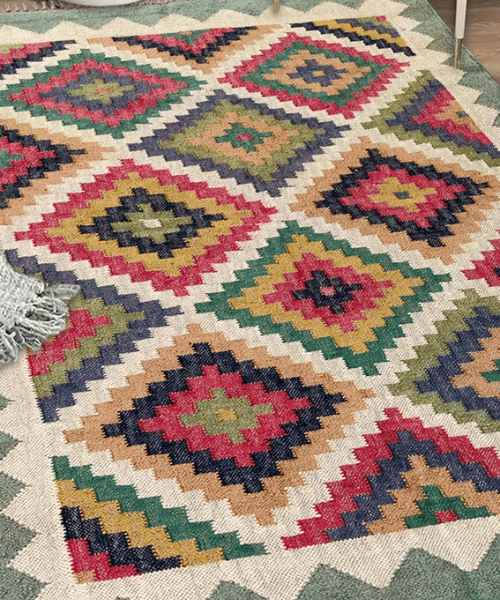


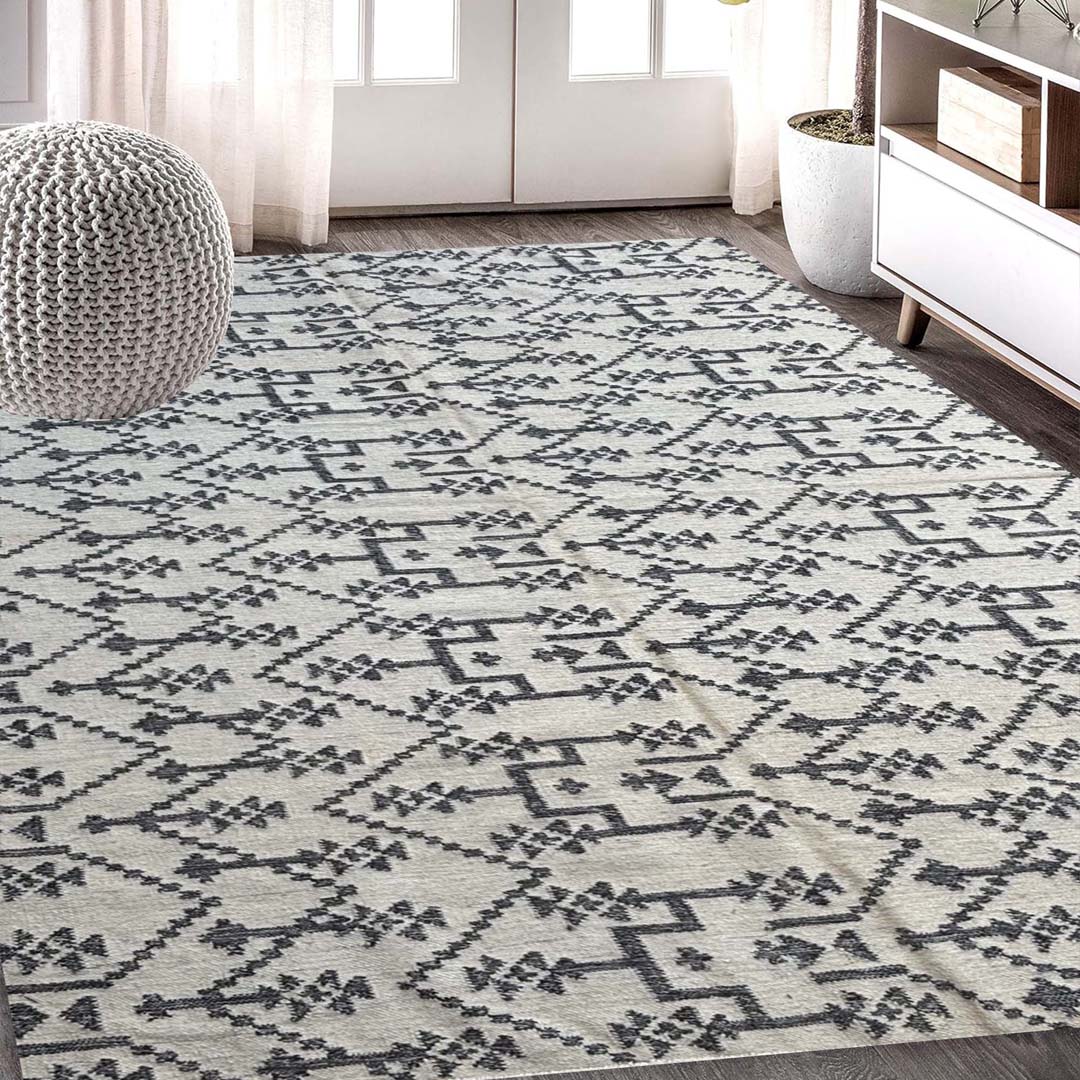
Comfort shapes luxury now, not clutter – texture matters more than ever before. Into every room, rugs step quietly but leave a lasting mark through warmth and subtle character. Kilim weaves appear different each time you see them, holding stories without saying a word. From old roots they rise again, adapted yet unchanged at heart. Their strength lies not just in fibers, but in how they feel under bare feet, which is why many design-aware homeowners now prefer to buy kilim rugs online to access authentic craftsmanship beyond local limits. Each pattern breathes history, connecting distant places to today’s living spaces. Unlike heavy fabrics, these flatwovens move light differently across walls and floors. Homes embrace them slowly, then never let go. Minimalism finds soul here, where simplicity meets craft. Even silence sounds richer when such pieces rest beneath.
Budhrajrugs sits right in the middle of this rising interest – known for careful making and selections shaped by heritage, yet made for how people live today. Because more people want home details that matter, knowing why kilim and dhurrie dhurrie rugs feel so softly rich feels especially worth noticing now.
Softness Quality Materials Comfort Design Trends 2026?
Today, softness isn’t just about how a rug greets your toes. Flexibility matters just as much – how it bends without breaking under daily life. Natural fibers play a quiet role, their quality shaping long-term feel. Tight weaves hold up better, yet still invite touch. People now want cozy textures that don’t wear out fast or clash with room design.
Come 2026, top picks for floor coverings lean on nature-made fibers, careful weaving by hand, because airflow matters just as much. Take kilim or dari styles – they hit every mark without trying too hard. With no thick pile getting in the way, threads settle close, lying flat like calm water. Softness shows up quietly at first, then deepens slowly over time.
Kilim Rugs Light Luxury Lasting Appeal
Handwoven for generations in places such as Persia, Anatolia, and Central Asia, kilim rugs carry time through thread. Their modern appeal comes not from flash but from how old patterns meet current spaces – quietly, without effort.
Softness here begins with fine threads of wool or cotton, pulled tight in weaving, free of knots. Because of how they are made, these rugs feel smooth instead of thick underfoot. Places with lots of movement suit them well, along with rooms stacked with textures and spaces where heat stays close.
In 2026, interior designers are increasingly recommending kilim rugs for living rooms, reading corners, and creative workspaces. Their smooth texture allows furniture to sit comfortably while still offering a cozy underfoot experience. Many homeowners now prefer to buy kilim rugs online because of the wide range of patterns, colors, and sizes available without geographic limitations.
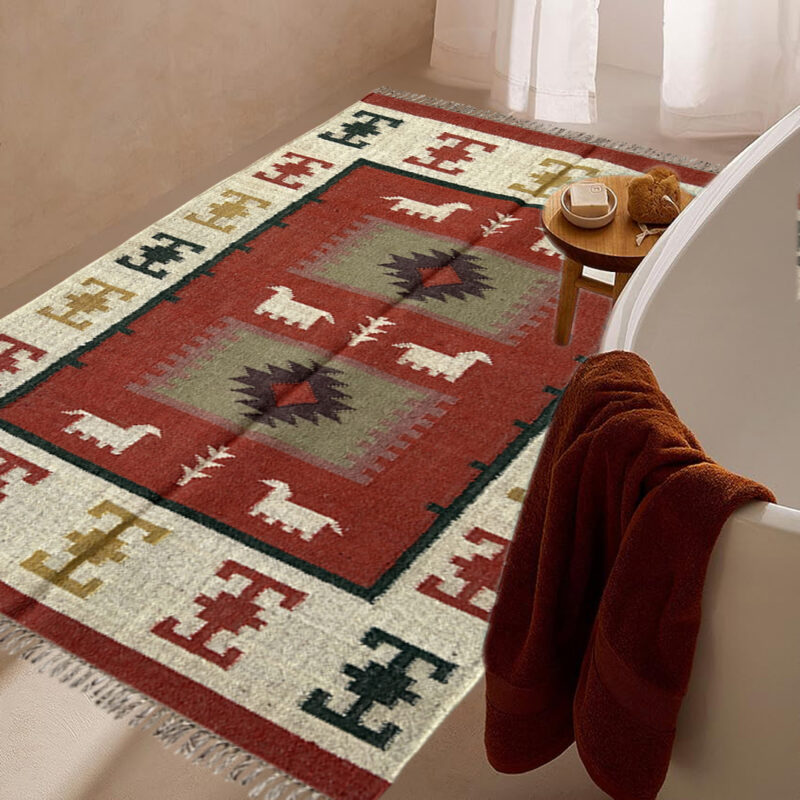
dhurrie Rugs Soft Weave Long Use
Thicker than most flatweaves, Dari rugs come mostly from Afghanistan and nearby areas. Not quite like kilims, yet kindred in weave, they bring a gentler touch underfoot. Cushioning shows up here without tipping into bulk. Light enough to move, dense enough to comfort – this is where texture finds balance.
Softness you notice right away – that comes from wool spun by hand and closely woven threads. As months pass, the material settles into an ease that seems worn gently, like something truly used. Bedrooms often hold these pieces, also quiet corners meant for stillness, places where sitting down feels good. Comfort matters most there.
As trends shift toward grounded, earth-inspired interiors, the premium kilim and dhurrie rug collection online market continues to expand, offering carefully curated pieces that balance texture, tone, and tradition.
Natural Fibers For Softer Feel
Soft underfoot, kilim and dari rugs owe much of their touch to what they are made from. Come 2026, wool still leads – not chased by rivals but standing on its own. Its strength lies in how it resists wear while holding warmth close. Bend a strand, and it gives, then returns, never snapping – so the rug lives long and feels kind.
Starting soft, cotton shows up in either warp or weft strands, bringing give where needed while cutting rigidity. A few high-end floor coverings slip in silk touches or mixes – these lend quiet shine and glide under hand, yet stay balanced within the overall weave.
Over time, natural fibers change in a gentle way. As people wear them more, these materials feel cozier instead of breaking down fast. Their look stays fresh while getting comfortable through everyday use.
How Handweaving Affects Rug Softness
Some rugs come from machines, yet nothing beats hand-tied knots one by one. Each pull on the thread shifts slightly when people weave them – this gives kilims and daris their gentle unevenness. Machines copy shapes well enough, though they miss how fingers shape texture over time.
A different beat lives inside every rug, shaped by the hands that tied each knot. Because of this, they give slightly underfoot, moving with you instead of against. By 2026, what once seemed uneven now stands out as real. People who notice details see those quirks as proof it was made, not manufactured.
What stands out about handmade rugs draws people toward places like Budhujrugs, where texture meets strength, along with stories woven into every thread. A quiet trust builds when comfort lasts, shaped by hands that know their work.
How Colors and Dyes Change How Things Feel
What feels gentle on skin depends just as much on processing as it does on material. Premium kilim and dhurrie rugs often rely on natural colorants that keep wool and cotton intact. Unlike harsh chemical dyes, botanical pigments avoid rigidity. Flexibility stays high because plants let fibers move freely.
Come 2026, quiet tones take charge in high-end rooms. Rugs dressed in gentle terracotta, washed-out indigo, pale ivory, or dusty brown bring a hush to walls and floors. Spaces breathe easier when these shades blend like morning light. Over the years, they wear in rather than fade out – each mark deepening their story instead of dulling it.
Flatwoven Rugs Fit Modern Homes
Light on their feet, flat-woven kilim and dari rugs slide easily between rooms. Homes today? They need pieces that keep up – these do. Shifting layouts find a match in their low weight. Apartments welcome them just as much as wide-open floors. When styles shift often, these rugs stay useful.
Even though they’re thin, these materials keep spaces warm and quiet. The gentle texture gives a light impression instead of feeling heavy, fitting right into clean, modern styles.
Homeowners looking to shop kilim & dhurrie rugs for home decor often choose these styles for their adaptability—whether placed under a coffee table, beside a bed, or as a statement wall hanging.
Caring for Softness Maintenance Tips 2026
Fresh air between strands helps kilim and dari rugs stay soft underfoot. A slow pass with the vacuum every now and then stops grit from digging deep, yet turning them around now and again spreads the stepping evenly.
Harsh cleaners? They pull out the good stuff – natural oils – in wool and cotton. Try gentle fixes on small stains, or bring in a pro if things get tricky. Over time, careful handling keeps them cozy; actually, they feel better after years of use.
Sustainability Meets Ethical Luxury
By 2026, true luxury means caring for the planet. Kilim and Dari rugs fit right in since they’re made from natural stuff using gentle processes. Because these floor coverings last so long, fewer get tossed out over time. People who pay attention tend to pick them without thinking twice.
A handmade rug carries stories. When makers are paid fairly, their craft survives. Because traditions matter, each knot ties culture to comfort inside your space.
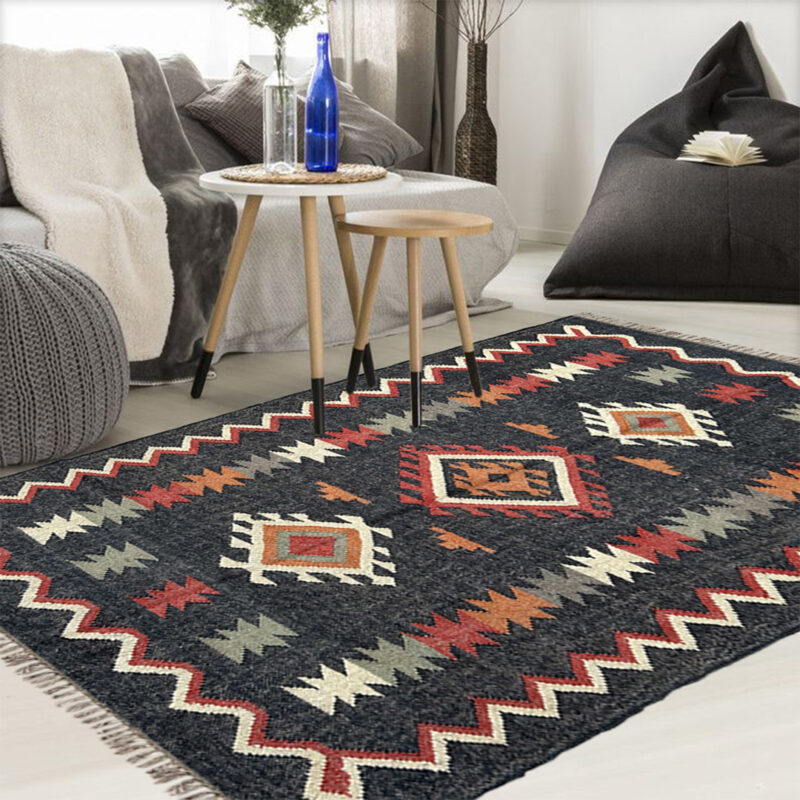
How to Pick a Rug That Fits Your Room
Start by thinking about where the rug will go. In busy spots, wool kilims hold up well because they are dense and simple to care for. Spaces meant for unwinding do better with durable rugs that have a bit more cushion underfoot. How it looks matters less than how it works there.
Notice how big it is, how the design spreads across, along with what colors sit together. Sometimes a floor covering changes how you see a space, bringing warmth into sharp corners so spaces seem like someone actually lives there.
Conclusion
Comfort finds a quiet voice in 2026, where handmade rugs speak through texture rather than noise, making more people prefer to shop kilim dari rugs for home decor that feel personal and timeless. Softness here isn’t shouted; it lingers gently, built by hands over time. Because they carry history, these pieces ground spaces without demanding attention. Instead of trends, they offer presence – woven slowly, meant to stay. Even when still, they feel alive, tied to older ways of making and meaning. Luxury slips into daily life, not as show but as warmth underfoot. While styles shift, their calm remains fixed, shaped by craft more than fashion. They ask nothing, yet pull rooms toward balance and hush. Material becomes memory, thread by thread, pattern after pattern. Living well looks less like a display, more like a return.
Budhrajrugs meets the quiet desire for pieces that last, blending gentle textures with stories woven through time. Softness arrives not as an idea but as touch, paired with choices shaped by care rather than trends. Here, old patterns breathe alongside fresh ones, making space where comfort feels intentional. Luxury turns ordinary moments into something more, noticed barefoot at dawn or late in dim light.